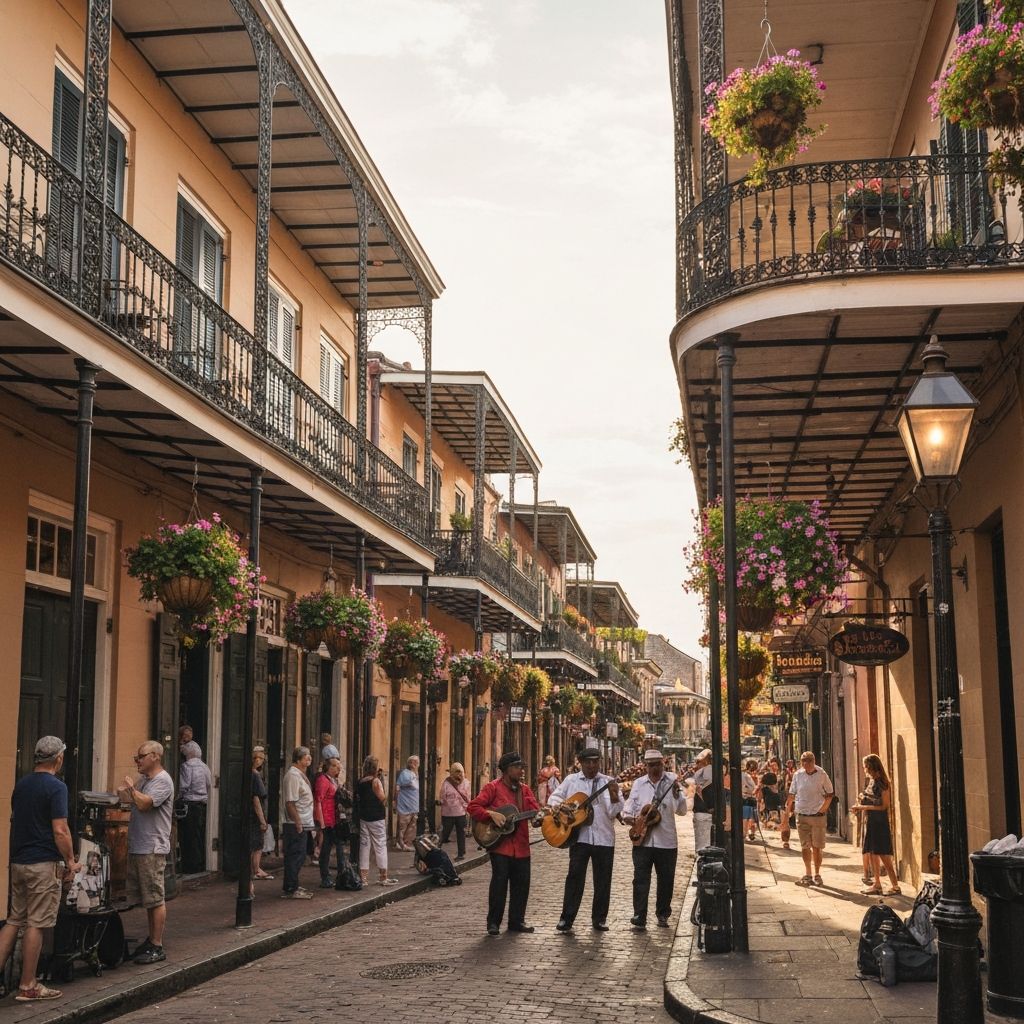
The iconic French Quarter is situated in the heart of New Orleans and represents its soul and heart. Here you will enjoy the charming architecture, stroll down lively streets like Royal and Bourbon, and immerse yourself in the lively atmosphere of Jackson Square. This comprehensive travel guide will help you plan the perfect New Orleans adventure, from understanding the city's unique neighborhoods to navigating its world-famous festivals and hidden gems that only locals typically know about.
Getting to Know New Orleans
New Orleans, affectionately known as the Crescent City due to its position along a bend in the Mississippi River, stands as one of America's most culturally distinctive destinations. Founded by the French in 1718, the city has been shaped by a remarkable blend of French, Spanish, African, Caribbean, and American influences that have created a culture found nowhere else on Earth. The city's subtropical climate means warm temperatures prevail for most of the year, with mild winters making it an excellent year-round destination. Visitors should be prepared for humidity, especially during summer months, and the occasional afternoon thunderstorm that sweeps through quickly before giving way to sunshine. The best times to visit are typically spring (March through May) and fall (October through November) when temperatures are comfortable and festival season is in full swing. New Orleans is served by Louis Armstrong International Airport, located about 15 miles from the French Quarter, with taxi, rideshare, and shuttle services readily available. Once in the city, getting around is easy thanks to the historic streetcar system, buses, bikes, and the walkable nature of most tourist areas.
The French Quarter: Heart of the City
The French Quarter, or Vieux Carré as locals call it, encompasses approximately 78 square blocks of the most historically significant real estate in America. Despite its name, the architecture here is predominantly Spanish Colonial, as two devastating fires in the late 18th century destroyed most of the original French structures, and the Spanish who ruled at the time oversaw the rebuilding. The iconic wrought-iron balconies, hidden courtyards, and colorful shuttered buildings create an enchanting atmosphere that transports visitors to another era. Royal Street offers the finest antique shops, art galleries, and boutiques, while parallel Bourbon Street provides the legendary nightlife the city is famous for. Jackson Square serves as the neighborhood's central gathering place, surrounded by the magnificent St. Louis Cathedral, street performers, artists, and fortune tellers. Take time to wander the quieter blocks away from the main streets, where you'll discover hidden courtyards, charming residential areas, and a sense of the authentic daily life that continues in this living historic district.
Beyond the Quarter: Exploring New Orleans Neighborhoods
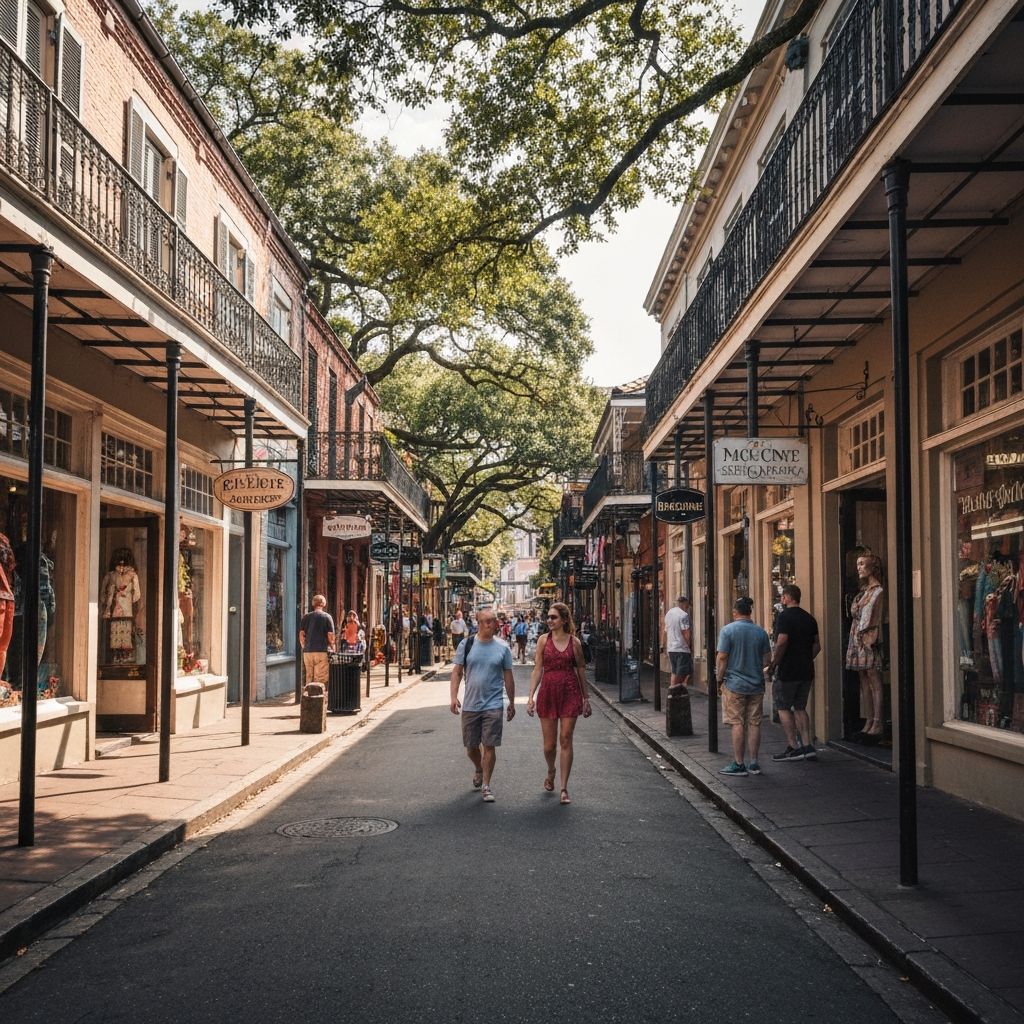
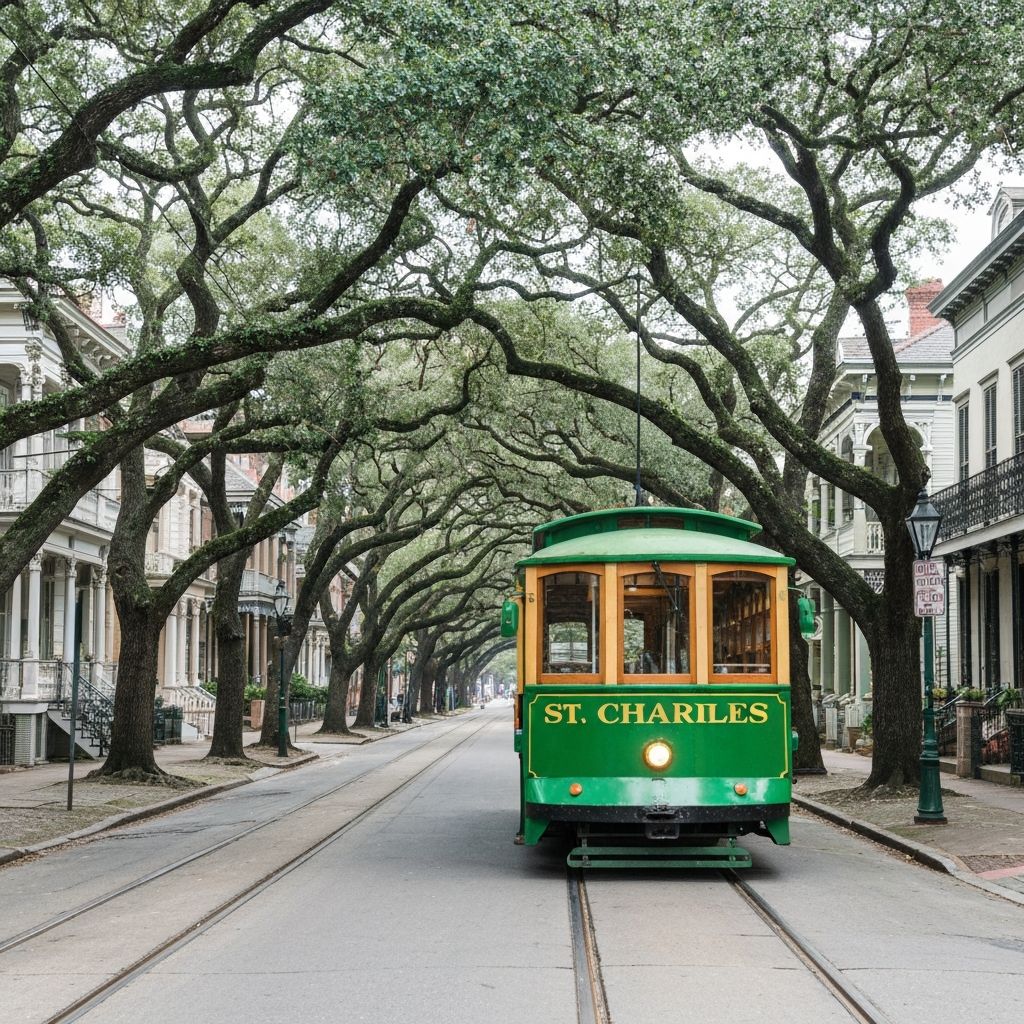
While the French Quarter rightfully commands attention, New Orleans' other neighborhoods offer equally rewarding experiences for curious travelers. The Garden District showcases antebellum America at its most opulent, with stunning Greek Revival mansions surrounded by lush gardens and towering oak trees. The St. Charles Streetcar provides a scenic journey through this historic area, passing Commander's Palace restaurant and Lafayette Cemetery No. 1. Magazine Street runs parallel to St. Charles Avenue and offers six miles of diverse shopping, dining, and entertainment. The Marigny and Bywater neighborhoods, located just downriver from the French Quarter, have emerged as vibrant arts districts, with Frenchmen Street rivaling Bourbon Street for live music but with a more local, less touristy atmosphere. The Warehouse District, once an industrial area, now houses world-class museums including the National WWII Museum and the Ogden Museum of Southern Art. Mid-City offers access to the beautiful City Park, home to the New Orleans Museum of Art, the Besthoff Sculpture Garden, and the historic Carousel Gardens Amusement Park. Each neighborhood has its own distinct character, and taking time to explore beyond the tourist core reveals the true depth of New Orleans culture.
Planning Your Visit: Practical Tips
Successful New Orleans trips require some advance planning, especially regarding accommodations and dining. Hotels in the French Quarter and Central Business District offer the most convenient access to major attractions but often come at premium prices, particularly during major events like Mardi Gras, Jazz Fest, and French Quarter Festival. Booking restaurants, especially the legendary establishments like Commander's Palace, Galatoire's, Antoine's, and Arnaud's, well in advance is strongly recommended for weekend dinners. Walking is the best way to explore the French Quarter and surrounding areas, but comfortable shoes are essential as the brick sidewalks and uneven pavement can be challenging. The weather can change quickly, so carrying a small umbrella or rain jacket is wise. New Orleans operates on a cash-friendly basis more than many cities, with many smaller establishments, street vendors, and musicians preferring cash payments. Tipping is an important part of the local economy, with 20% being standard for good service at restaurants and bars. Safety-wise, stick to well-lit, populated areas, especially at night, and be aware of your surroundings as you would in any major city.
Festivals and Events: Timing Your Trip
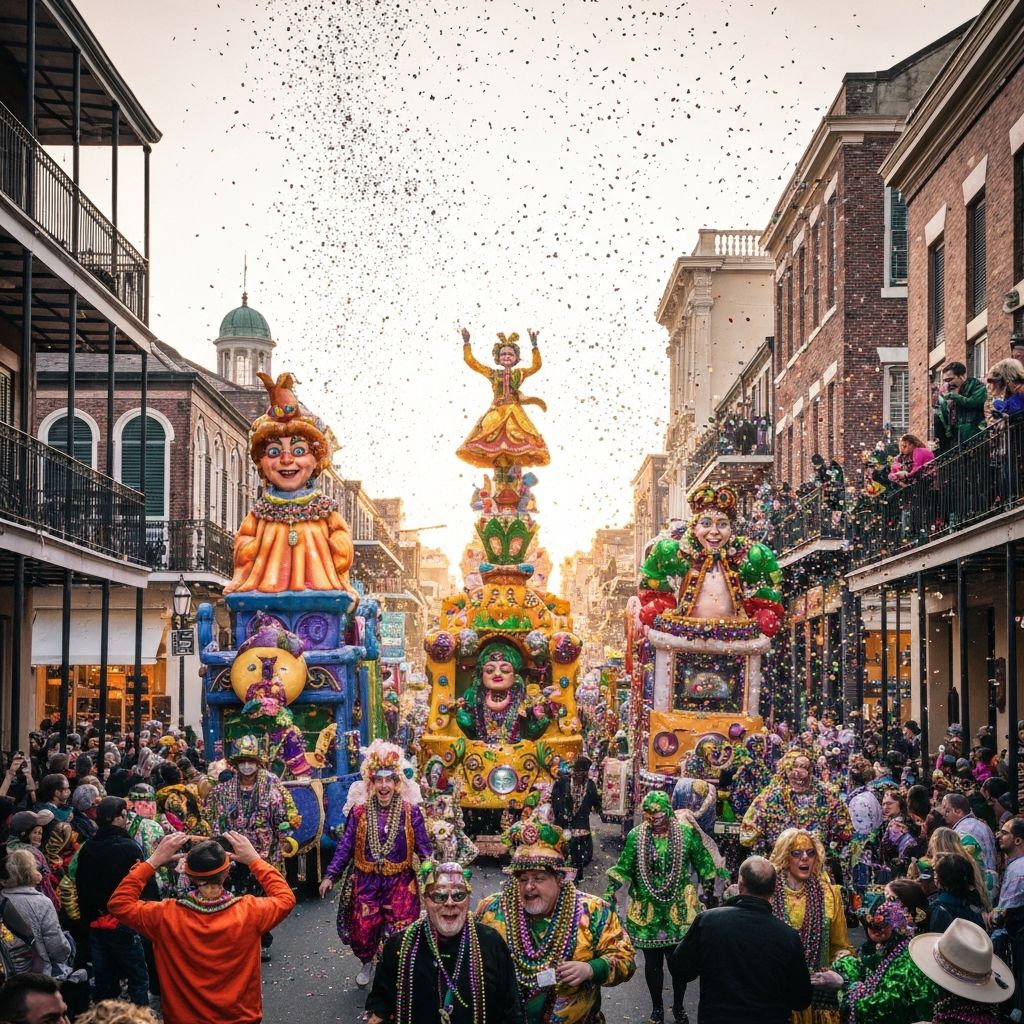
New Orleans hosts more festivals than perhaps any other American city, and timing your visit to coincide with one can elevate your experience tremendously. Mardi Gras, culminating on Fat Tuesday (the day before Ash Wednesday), represents the city's most famous celebration, with parades, balls, and festivities spanning several weeks. The New Orleans Jazz and Heritage Festival, held over two weekends in late April and early May, brings world-class musicians to the Fair Grounds Race Course alongside incredible local food and crafts. French Quarter Festival, held in April, showcases local musicians on stages throughout the Quarter with free admission. The Essence Festival, celebrating African American culture and music, takes place over July 4th weekend and attracts major headliners. Voodoo Music + Arts Experience brings alternative and rock acts to City Park each Halloween weekend. Beyond these major events, smaller festivals celebrate everything from po-boys and seafood to Tennessee Williams and Southern Decadence. Even if you don't plan around a specific festival, something is almost always happening somewhere in the city, from second line parades to neighborhood celebrations that maintain the city's reputation as a place that knows how to have a good time.
Plan Your New Orleans Visit
Find the best accommodation and start exploring everything the Crescent City has to offer.
Browse Accommodation in New Orleans