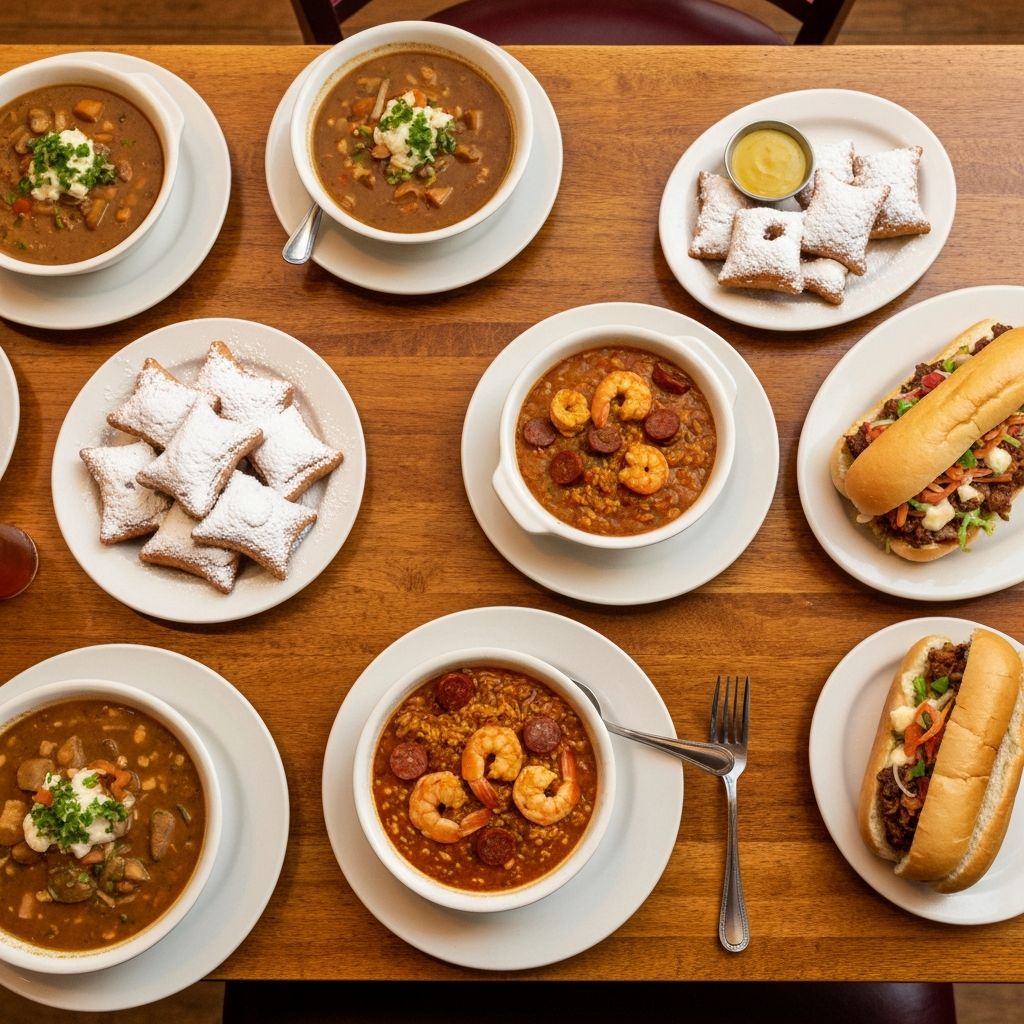
No visit to New Orleans is complete without a stop at Cafe du Monde. Indulge in the city's famous beignets and chicory coffee as you soak in the lively ambiance. This legendary cafe has been serving up sweet treats since 1862 and remains a cherished part of the city's culinary scene. But New Orleans' food culture extends far beyond this iconic establishment, encompassing a rich tapestry of Creole, Cajun, and international influences that have made the Crescent City one of America's greatest culinary destinations.
Beignets: The Quintessential New Orleans Treat
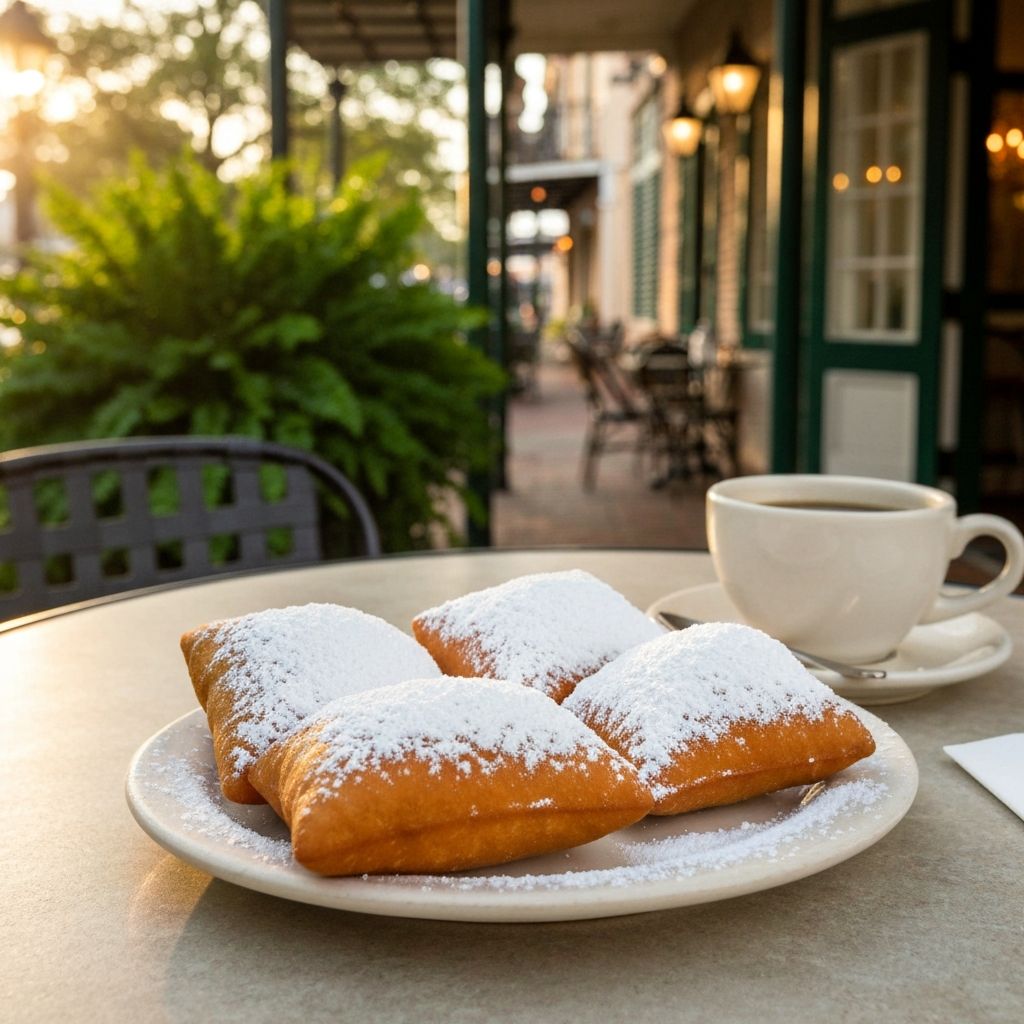
The beignet, a square French-style doughnut buried under an avalanche of powdered sugar, has become perhaps the most recognizable symbol of New Orleans cuisine. These pillowy pockets of fried dough arrived with French colonists in the 18th century and have remained a beloved staple ever since. Cafe Du Monde, operating continuously since 1862 (except for brief closures during hurricanes), serves these treats 24 hours a day from their original French Market location, where generations of visitors have experienced the joy of that first warm, sugar-covered bite. The beignets arrive fresh from the fryer, their exterior slightly crispy while the inside remains impossibly light and airy. The powdered sugar isn't merely dusted on top—it's piled on generously, creating the inevitable white cloud that decorates your clothing as a badge of honor. While Cafe Du Monde remains the most famous destination, excellent beignets can be found throughout the city, with Cafe Beignet in the French Quarter and Morning Call in City Park offering their own beloved versions. Some restaurants have created savory variations or stuffed beignets with various fillings, but purists insist that the simple, traditional preparation remains unmatched.
Chicory Coffee: A New Orleans Tradition

The distinctive coffee served throughout New Orleans owes its unique character to chicory, a practice that began during the Civil War when coffee supplies were scarce and locals stretched their supplies by blending roasted chicory root with coffee beans. What started as a necessity became a beloved tradition, with the slightly bitter, earthy notes of chicory creating a flavor profile that New Orleanians now consider essential to their morning ritual. Cafe Du Monde's cafe au lait, made with their signature chicory coffee blended with hot milk in equal proportions, represents the quintessential New Orleans coffee experience. The chicory adds a subtle chocolate-like undertone and a smoothness that reduces the need for additional sweeteners. French Market Coffee, roasting in New Orleans since 1890, produces the chicory coffee blend sold at Cafe Du Monde and available in grocery stores for visitors who want to bring the taste home. Community Coffee, another Louisiana institution, offers chicory blends that grace breakfast tables throughout the region. Whether enjoyed with beignets at dawn or as an afternoon pick-me-up, chicory coffee remains an essential element of New Orleans' culinary identity.
Creole Cuisine: The Foundation of New Orleans Food
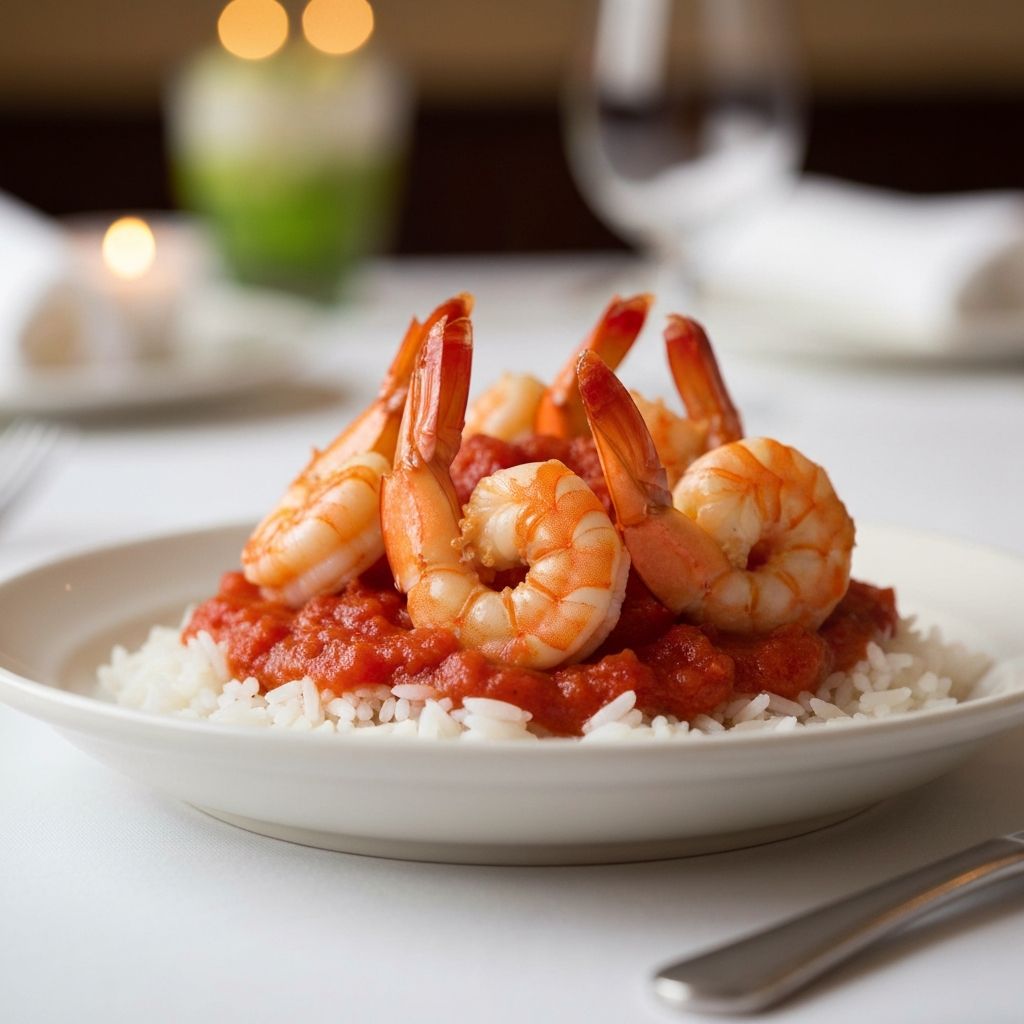
Creole cuisine represents the sophisticated, urban cooking style that developed in New Orleans from the fusion of French, Spanish, African, and Caribbean influences. Unlike its Cajun cousin, which emerged from the rural Acadian communities of southwest Louisiana, Creole cooking developed in the wealthy kitchens of the city's grand households, where skilled cooks combined European techniques with local ingredients and African culinary traditions. Classic Creole dishes include Shrimp Creole, featuring Gulf shrimp in a tomato-based sauce served over rice; Oysters Rockefeller, created at Antoine's restaurant in 1889 and featuring baked oysters topped with a rich green sauce; Crawfish Bisque, a labor-intensive soup featuring stuffed crawfish heads in a flavorful broth; and Trout Meunière, fresh Gulf fish prepared in the French style with brown butter and lemon. The Creole kitchen relies heavily on the "holy trinity" of onion, celery, and bell pepper, which forms the aromatic base for countless dishes. Restaurants like Antoine's, Galatoire's, and Commander's Palace continue to serve refined Creole cuisine in elegant settings, while neighborhood spots offer more casual interpretations of these classic preparations.
Cajun Flavors: Louisiana's Country Cooking
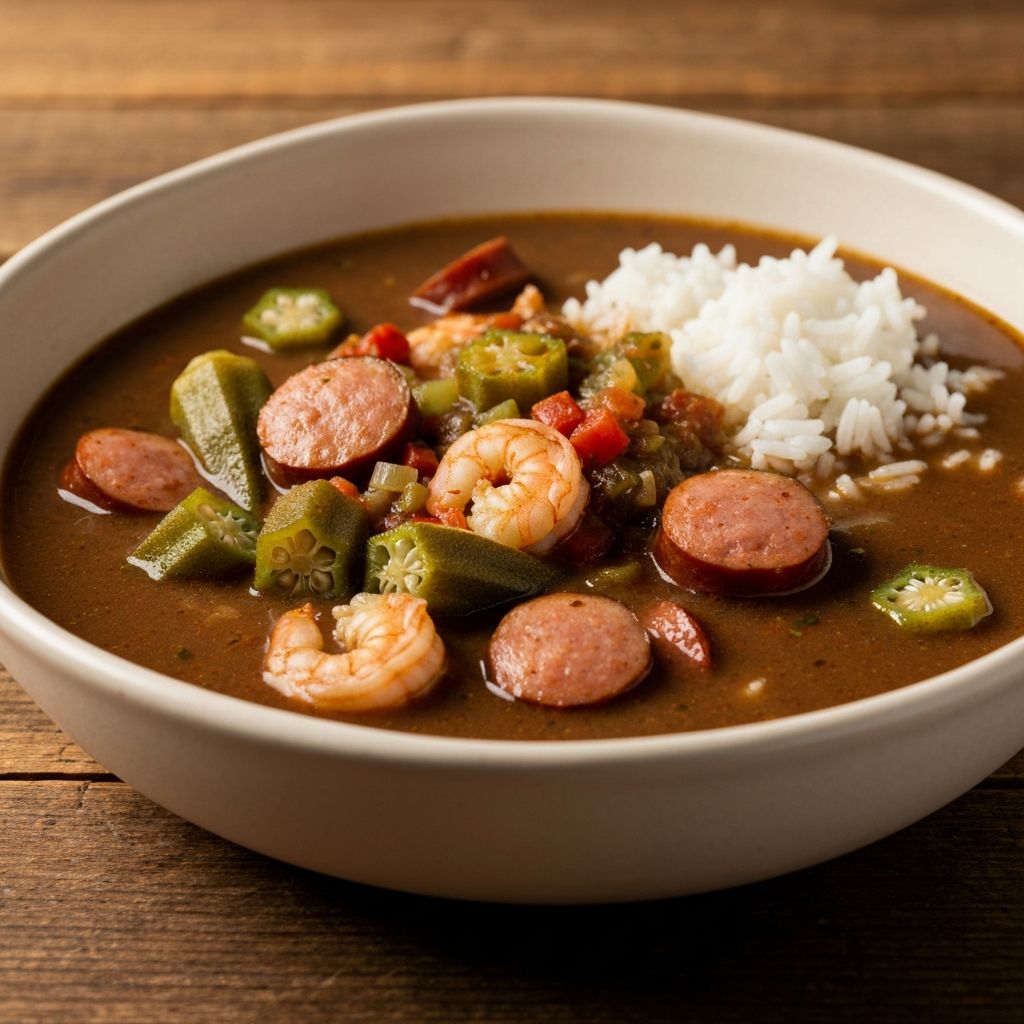
While Creole cuisine developed in the city, Cajun food represents the hearty country cooking of the Acadians who settled in rural southwest Louisiana after being expelled from Nova Scotia in the 18th century. Cajun cooking tends to be spicier and more rustic than Creole, relying on one-pot dishes that could simmer while farmers worked the fields. Gumbo, perhaps Louisiana's most famous dish, comes in countless variations but typically features a dark roux, the holy trinity, and combinations of seafood, sausage, and/or chicken, served over rice. Jambalaya, the Louisiana answer to Spanish paella, combines rice with meats and vegetables in a single pot, with "red" Creole versions using tomatoes while "brown" Cajun versions achieve their color from the roux. Boudin, a pork and rice sausage unique to Louisiana, serves as the ultimate Cajun convenience food, available at gas stations and specialty shops throughout the region. Crawfish boils, particularly popular during spring when the mudbugs are in season, bring communities together around massive pots of spiced crustaceans. While traditional Cajun cooking comes from outside New Orleans, the city's restaurants have embraced and refined these preparations, making them readily available throughout the Crescent City.
Po-Boys, Muffulettas, and Iconic Sandwiches
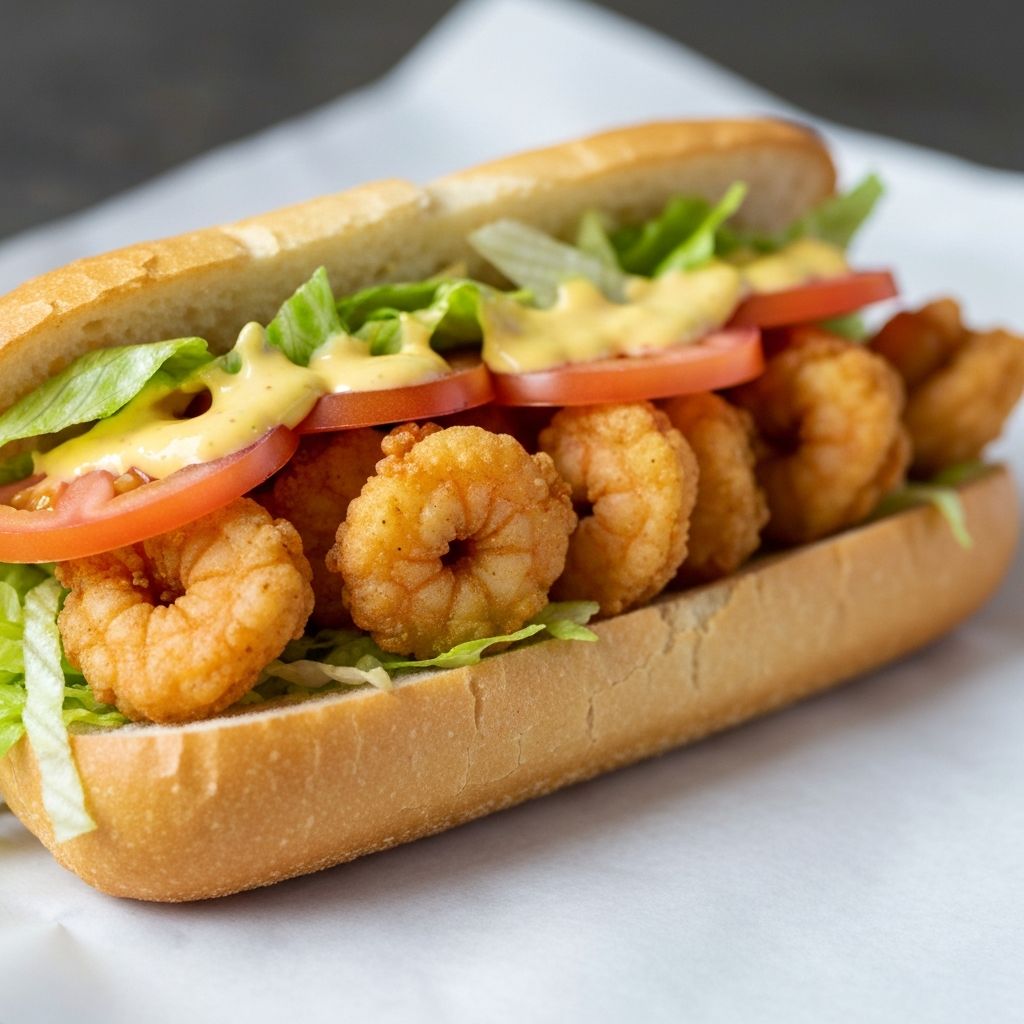
New Orleans' sandwich traditions deserve their own category, with two preparations standing above all others. The po-boy, born during a 1929 streetcar strike when the Martin brothers served free sandwiches to "poor boys" on strike, features crusty French bread stuffed with various fillings ranging from fried seafood (shrimp, oysters, catfish, soft-shell crab) to roast beef "debris" swimming in gravy. The bread itself is crucial—New Orleans French bread has a distinctive crispy crust with a light, airy interior that differs from French bread elsewhere, supposedly due to the city's unique water and humidity. Iconic po-boy destinations include Domilise's, Parkway Bakery & Tavern, and Mahony's, each with devoted followers who insist their favorite is definitively the best. The muffuletta, created at Central Grocery in the French Market around 1906, represents the Italian immigrant contribution to New Orleans cuisine. This massive sandwich layers Italian cold cuts and cheeses on a round sesame-seeded loaf, but its signature element is the olive salad—a tangy, garlicky mixture of chopped olives, vegetables, and herbs that soaks into the bread and ties everything together. Central Grocery still serves the original, though Napoleon House and other establishments offer their own respected versions.
Sweet Endings: Desserts and Confections
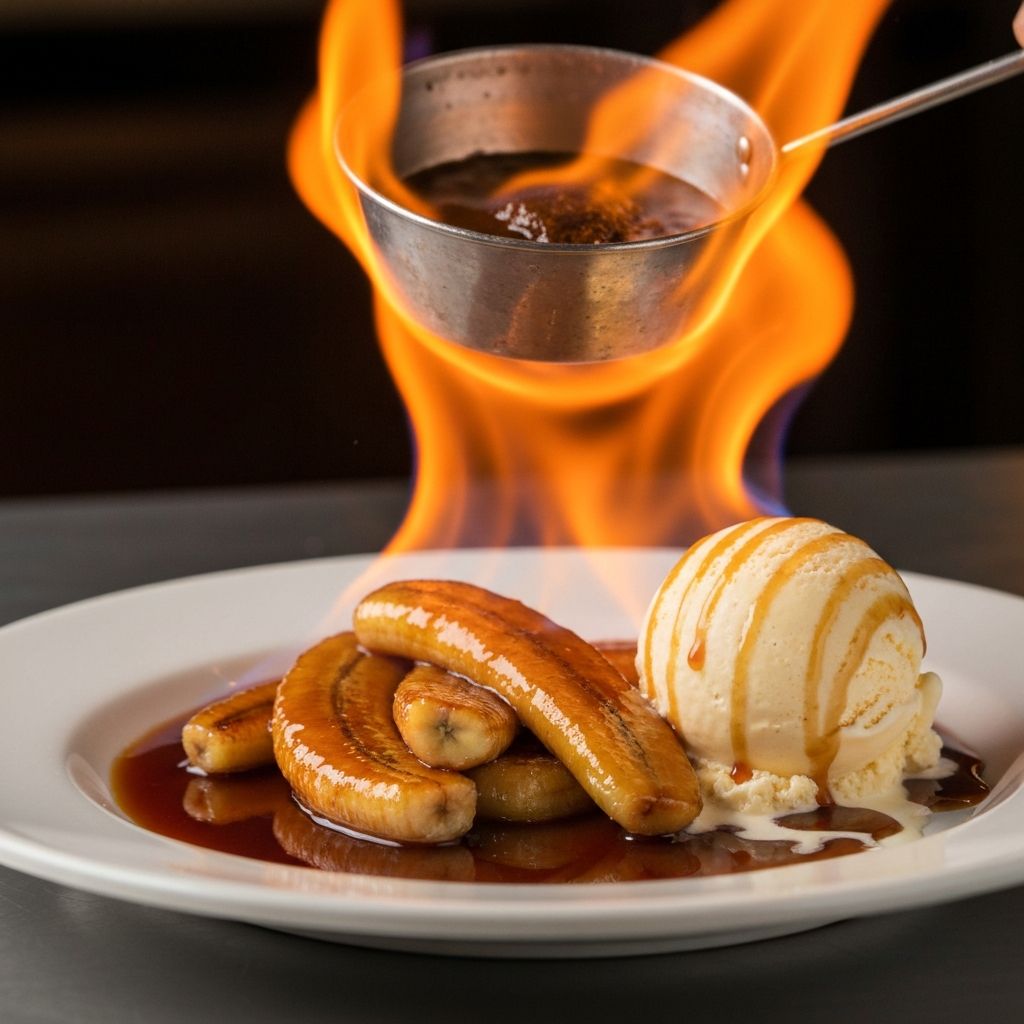
New Orleans' sweet tooth extends well beyond beignets to encompass a delightful array of desserts and confections. Pralines, those pecan-studded sugar confections with a creamy, slightly grainy texture, appear in shops throughout the French Quarter, where visitors can often watch them being made. Bananas Foster, created at Brennan's restaurant in 1951, features bananas sautéed in butter, brown sugar, and rum, then flambéed tableside before being served over vanilla ice cream. King Cake, the ring-shaped pastry associated with Mardi Gras, appears in bakeries from Epiphany through Fat Tuesday, with each slice carrying the possibility of finding the tiny plastic baby that designates the next party host. Sno-balls (never "snow cones" in New Orleans) provide relief from summer heat, with finely shaved ice drenched in flavored syrups, often topped with condensed milk, and served from dedicated stands throughout the city. Bread pudding, a tradition born from the need to use stale French bread, appears on dessert menus citywide, often drenched in whiskey sauce or other decadent accompaniments. From elegant restaurant preparations to simple street treats, New Orleans offers sweet conclusions to every meal.
Plan Your New Orleans Visit
Find the best accommodation and start exploring everything the Crescent City has to offer.
Browse Accommodation in New Orleans