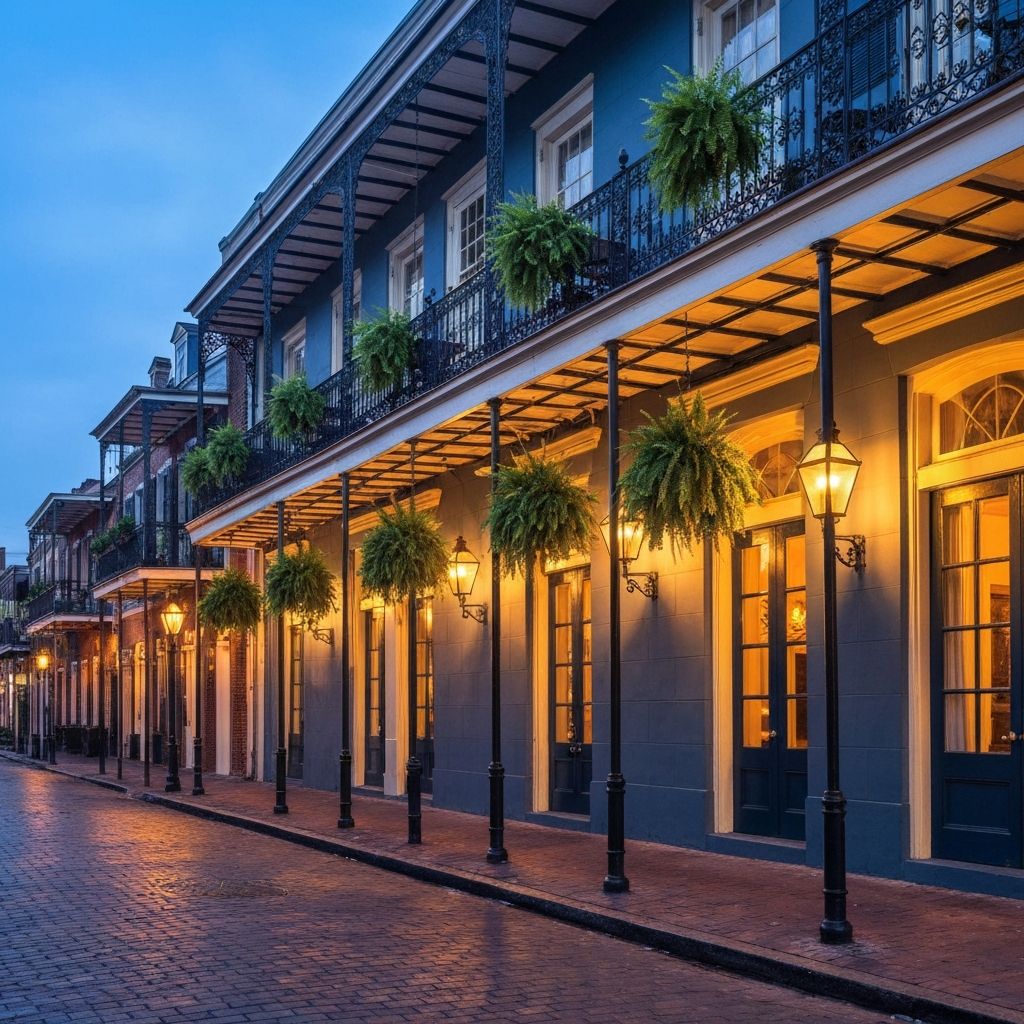
Welcome to the enchanting city of New Orleans, where vibrant culture, rich history, and lively music converge to create an unforgettable experience for every traveler. Whether you're a history buff, a foodie, or a music enthusiast, the Crescent City has something special for everyone. Join us as we explore the top 10 tourist attractions that make New Orleans a unique and vibrant destination.
1. The French Quarter
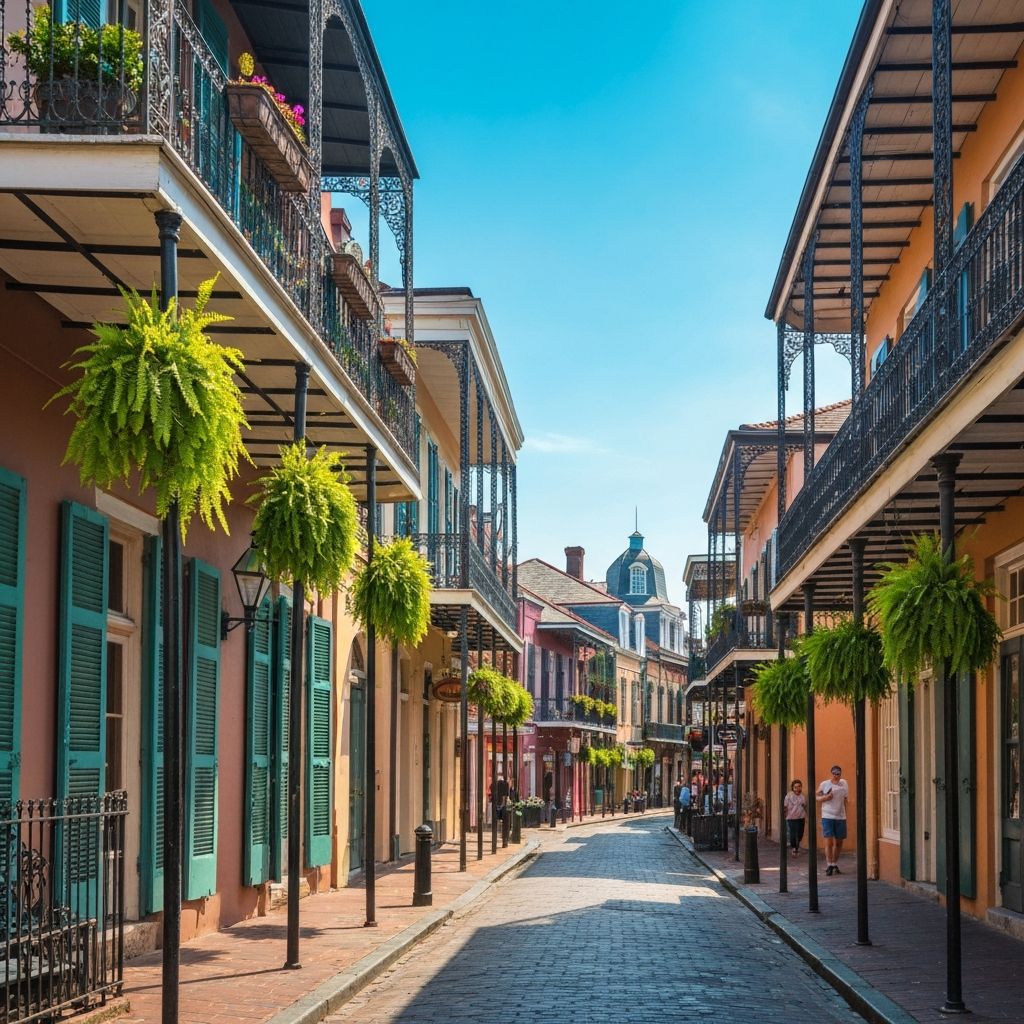
The French Quarter, also known as Vieux Carré, stands as the crown jewel of New Orleans and represents the very heart and soul of this magnificent city. Established in 1718, this historic neighborhood spans approximately 78 square blocks of pure architectural wonder, featuring stunning Spanish and French colonial buildings adorned with iconic wrought-iron balconies dripping with lush ferns and vibrant flowers. Walking through the French Quarter is like stepping back in time while simultaneously experiencing the pulse of modern New Orleans culture. The narrow streets are alive with the sounds of jazz musicians performing on every corner, the aroma of Creole cuisine wafting from legendary restaurants, and the colorful displays of local artists showcasing their work along Jackson Square. Royal Street offers world-class antique shops and art galleries, while Bourbon Street provides legendary nightlife that has made New Orleans famous worldwide. The architecture alone is worth the visit, with buildings dating back to the 1700s still standing proudly, each telling its own story of the city's complex history involving French, Spanish, African, and Caribbean influences. Whether you're exploring during the day to admire the historic buildings and shop for unique treasures, or venturing out at night to experience the legendary entertainment scene, the French Quarter offers an authentic New Orleans experience that simply cannot be replicated anywhere else in the world.
2. Jackson Square
Jackson Square serves as the historic heart of New Orleans and remains one of the most photographed locations in the entire city. Originally known as Place d'Armes when the French founded the colony, this magnificent public square was renamed in 1851 to honor Andrew Jackson, the hero of the Battle of New Orleans whose bronze equestrian statue now stands proudly at its center. The square is surrounded by some of the most important and beautiful buildings in New Orleans, including the stunning St. Louis Cathedral, the oldest continuously active Roman Catholic cathedral in the United States, whose triple spires have become synonymous with the New Orleans skyline. Flanking the cathedral are the historic Cabildo and Presbytère buildings, now part of the Louisiana State Museum, which house fascinating exhibits about Louisiana history, including the actual room where the Louisiana Purchase was signed in 1803. The iron fence surrounding the square has become a beloved outdoor gallery where local artists display their paintings, drawings, and photography, creating a vibrant arts scene that attracts visitors from around the globe. Street performers, fortune tellers, and musicians add to the festive atmosphere, making Jackson Square a living, breathing celebration of New Orleans culture. The Pontalba Buildings, the oldest apartment buildings in the United States, line two sides of the square and now house charming shops and restaurants on their ground floors. Visitors can spend hours wandering the square, admiring the architecture, watching street performers, having their fortunes told, or simply soaking in the unique atmosphere that has made this location a must-visit destination for centuries.
3. Cafe Du Monde
No visit to New Orleans could possibly be considered complete without a pilgrimage to Cafe Du Monde, the legendary coffee stand that has been serving its world-famous beignets and café au lait since 1862. Located in the historic French Market at the edge of Jackson Square, this iconic establishment operates 24 hours a day, seven days a week, closing only on Christmas Day and during occasional hurricanes. The menu is refreshingly simple, focusing on perfection rather than variety: powdered sugar-covered beignets (square French-style doughnuts) and café au lait made with their signature dark roasted coffee blended with chicory. The addition of chicory, a practice that began during the Civil War when coffee was scarce, creates a distinctive flavor that has become inseparable from the New Orleans coffee experience. Sitting at one of the café's outdoor tables, watching the Mississippi River flow past while enjoying warm beignets dusted with an almost comical amount of powdered sugar, is a quintessential New Orleans experience that creates lasting memories. The café's open-air design allows visitors to people-watch while they eat, observing the endless parade of tourists, locals, street performers, and the occasional brass band marching past. Despite its fame and constant crowds, Cafe Du Monde has maintained its unpretentious charm, with simple marble-topped tables, efficient service, and prices that remain remarkably reasonable given its iconic status. The powdered sugar that inevitably ends up covering your clothes is considered a badge of honor, proof that you've participated in one of New Orleans' most beloved culinary traditions.
4. Bourbon Street
Bourbon Street stands as the most famous street in New Orleans and arguably one of the most recognized party destinations in the entire world. Stretching through the heart of the French Quarter, this legendary thoroughfare transforms into a pedestrian paradise every evening when vehicle traffic is blocked and revelers take over the streets. The neon signs, the sound of multiple genres of music spilling out from countless bars and clubs, and the energy of thousands of celebrants create an atmosphere unlike anywhere else on Earth. While Bourbon Street is perhaps most famous for its role during Mardi Gras, when the street becomes the epicenter of one of the world's largest and most elaborate celebrations, it maintains its festive atmosphere year-round. Historic jazz clubs like Preservation Hall offer intimate performances by legendary musicians, while other venues showcase everything from rock and blues to karaoke and comedy. The street is also home to some of New Orleans' most famous bars, including Pat O'Brien's, where the Hurricane cocktail was invented, and Lafitte's Blacksmith Shop, one of the oldest structures used as a bar in the United States. Beyond the nightlife, Bourbon Street offers unique shopping opportunities, with stores selling everything from New Orleans souvenirs to high-end antiques. The famous balconies that overhang the street, adorned with wrought iron and flowering plants, provide perfect vantage points for people-watching and are an essential part of the Mardi Gras bead-throwing tradition. While critics sometimes dismiss Bourbon Street as too touristy, it remains an essential New Orleans experience that captures the city's legendary spirit of celebration and joie de vivre.
5. St. Louis Cathedral
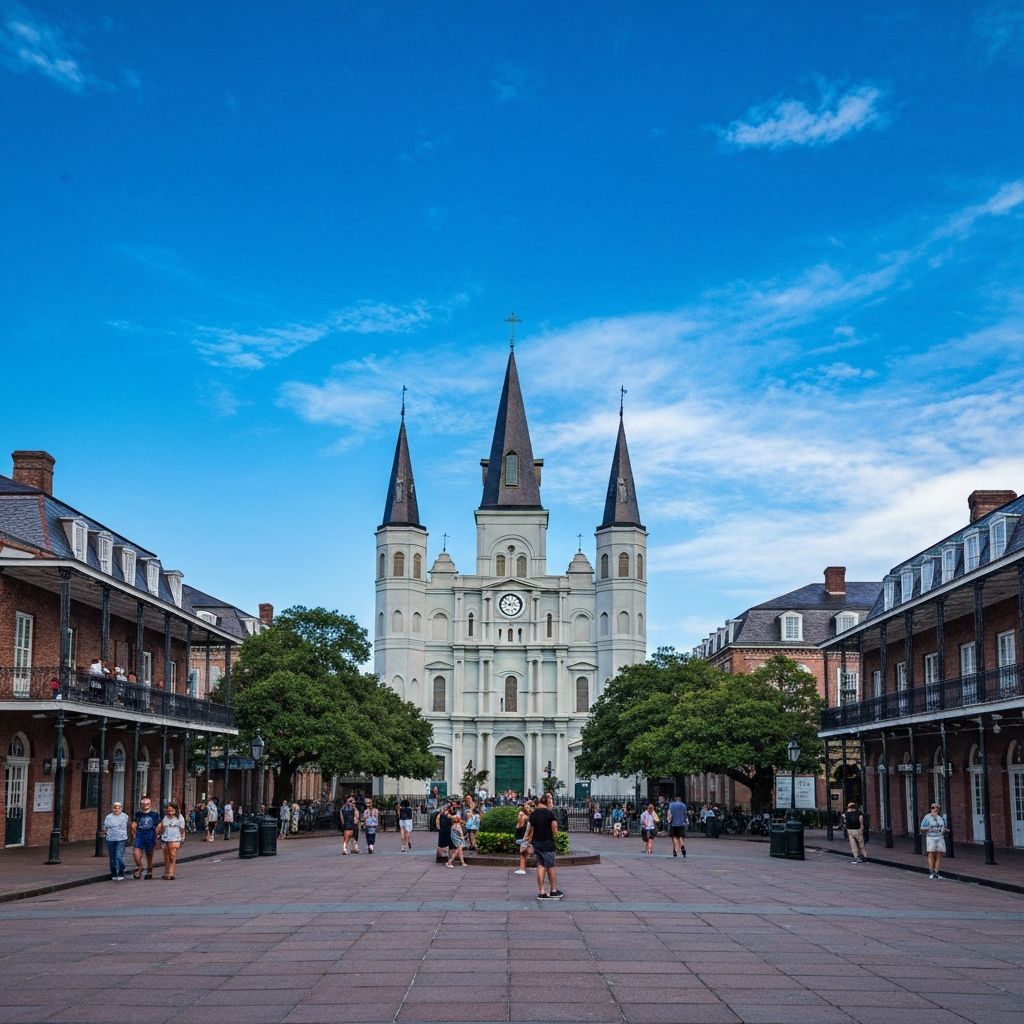
St. Louis Cathedral, rising majestically above Jackson Square with its iconic triple spires, represents both the spiritual heart of New Orleans and one of its most recognizable architectural landmarks. As the oldest continuously active Roman Catholic cathedral in the United States, this magnificent structure has witnessed more than three centuries of New Orleans history, surviving fires, hurricanes, and the passage of time to remain a powerful symbol of the city's enduring faith and resilience. The current building, completed in 1850, is actually the third church to stand on this site, its predecessors having been destroyed by fires in 1788 and 1794. The cathedral's stunning white facade, French colonial architecture, and elaborate interior featuring beautiful murals, stained glass windows, and a magnificent pipe organ make it one of the most beautiful churches in the Americas. The cathedral remains an active parish, hosting daily masses and special services that draw both devoted parishioners and curious visitors alike. The interior features the stunning ceiling murals painted by Erasmus Humbrecht, depicting scenes from the life of Louis IX of France, the crusader king for whom both the cathedral and the city's famous cemetery are named. Behind the cathedral, St. Anthony's Garden provides a peaceful retreat from the bustle of the Quarter, featuring a beautiful marble statue and carefully manicured landscaping. The cathedral's bells still ring out across the Quarter, marking the hours and calling the faithful to worship just as they have for centuries. For visitors, the cathedral offers free self-guided tours and provides a moment of quiet contemplation amidst the sometimes overwhelming energy of the French Quarter.
6. The National WWII Museum
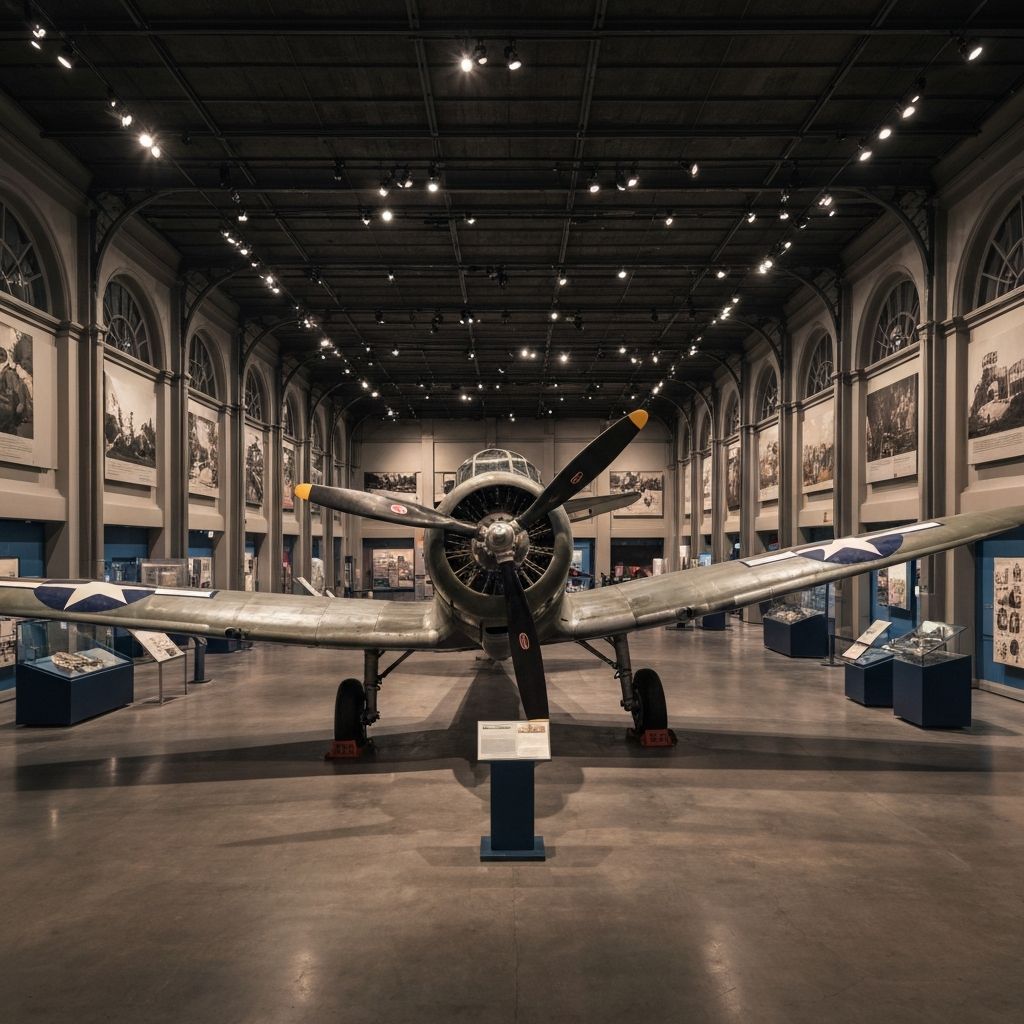
The National WWII Museum stands as one of the finest museums in the United States and has been consistently ranked as one of the top museums in the world by travelers and publications alike. Founded in 2000 as the National D-Day Museum, this extraordinary institution has expanded to encompass the entire American experience during World War II, spanning multiple pavilions that together contain one of the most comprehensive collections of WWII artifacts, oral histories, and immersive exhibits anywhere in the world. The museum's location in New Orleans is fitting, as the city was home to Higgins Industries, which manufactured the landing craft that made the D-Day invasion possible. The Beyond All Boundaries 4D experience, produced by Tom Hanks, uses cutting-edge technology to immerse visitors in the war's key moments, while the museum's extensive collection of planes, tanks, weapons, and personal artifacts brings the era vividly to life. The Road to Berlin and Road to Tokyo exhibits guide visitors through the European and Pacific theaters respectively, using a combination of historical artifacts, personal testimonies, and interactive displays to convey both the strategic complexity of the war and its human impact. The museum also features the Restoration Pavilion, where visitors can watch conservators restore historic aircraft and vehicles, and Stage Door Canteen, which recreates a 1940s-era entertainment venue complete with period performances. The institution's oral history program has collected thousands of firsthand accounts from WWII veterans, ensuring their stories are preserved for future generations. For anyone interested in history, military affairs, or simply understanding one of the most significant events of the 20th century, the National WWII Museum offers an unforgettable and deeply moving experience that typically requires multiple visits to fully appreciate.
7. Garden District
The Garden District stands as one of the most beautiful residential neighborhoods in the United States and offers visitors a stunning glimpse into the elegance and grandeur of antebellum Southern architecture. Developed in the early 19th century by wealthy American newcomers who wanted to establish their own neighborhood separate from the French Creole residents of the French Quarter, the Garden District features some of the most magnificent mansions in the country, surrounded by lush gardens and shaded by ancient live oak trees draped in Spanish moss. Walking along the tree-lined streets of the Garden District is like stepping into a living museum of 19th-century American architecture, with each block offering stunning examples of Greek Revival, Italianate, and Victorian-era homes. Many of these mansions were built by wealthy cotton merchants and sugar planters during the prosperous years before the Civil War, and their elaborate designs and meticulous maintenance reflect the continuing pride of their owners. Magazine Street, which runs along the edge of the district, offers six miles of eclectic shops, restaurants, galleries, and antique stores, making it one of the best shopping destinations in the city. The St. Charles Streetcar, one of the oldest continuously operating street railways in the world, rumbles along the district's border, offering a charming and nostalgic way to travel to and from downtown. Lafayette Cemetery No. 1, located within the district, provides a fascinating glimpse into New Orleans' unique above-ground burial traditions and has appeared in numerous films and television shows. Commander's Palace, one of the most celebrated restaurants in the city, has been serving refined Creole cuisine in the Garden District since 1893, offering a perfect complement to an afternoon of architectural exploration.
8. St. Louis Cemetery No. 1
St. Louis Cemetery No. 1 represents one of the most fascinating and historically significant burial grounds in the United States, offering visitors a unique glimpse into New Orleans' distinctive funeral traditions and complex history. Established in 1789, this compact cemetery contains thousands of above-ground tombs that create a maze-like landscape often referred to as a "city of the dead." The above-ground burial style, necessitated by New Orleans' high water table and French and Spanish cultural traditions, has created an architectural landscape unlike any other cemetery in the country. The elaborate tombs, many designed in classical styles and featuring intricate ironwork and marble sculptures, range from modest family vaults to grand mausoleums that rival the finest architecture in the city. The cemetery is the final resting place of numerous notable New Orleanians, including Marie Laveau, the legendary Voodoo Queen whose tomb is one of the most visited sites in the city, attracting devotees who still leave offerings in hopes of receiving her blessings. Other notable interments include Homer Plessy, whose landmark Supreme Court case Plessy v. Ferguson unfortunately established the "separate but equal" doctrine, and chess champion Paul Morphy. The cemetery has appeared in numerous films, including Easy Rider and several vampire movies, cementing its place in popular culture. Due to concerns about vandalism and the delicate condition of many tombs, visits to St. Louis Cemetery No. 1 are now permitted only through licensed tour operators, whose guides provide fascinating historical context and help visitors navigate the narrow paths between the tombs. A visit to this remarkable cemetery offers profound insights into New Orleans' attitudes toward death, remembrance, and the continuation of connections between the living and the dead.
9. Steamboat Natchez
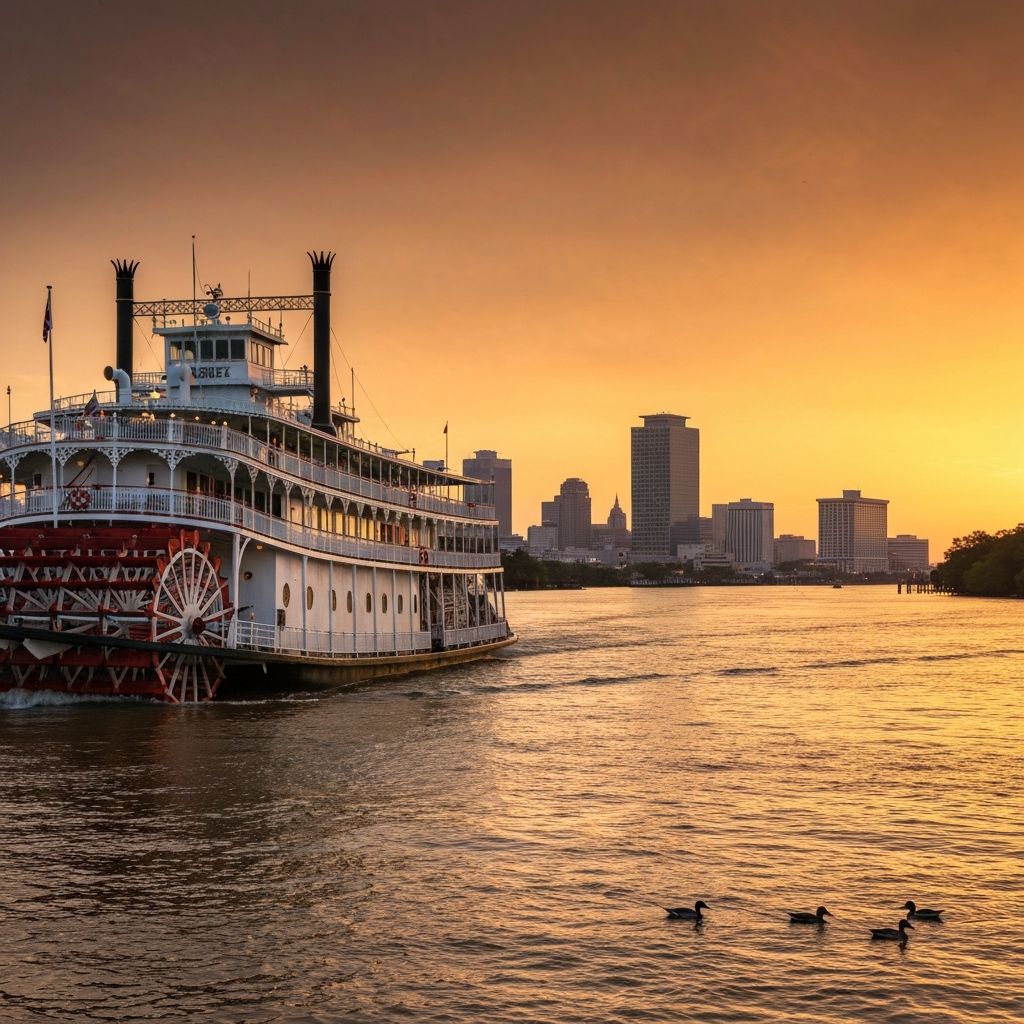
The Steamboat Natchez offers visitors an authentic and nostalgic way to experience the Mississippi River, the mighty waterway that has shaped New Orleans' destiny since the city's founding. As one of only a handful of authentic steamboats still operating in the United States, the Natchez continues a tradition that dates back to the early 19th century, when steamboats were the lifeblood of commerce and travel along America's greatest river. The current vessel, launched in 1975, is the ninth boat to bear the proud name Natchez and features a genuine steam-powered paddlewheel propulsion system and a powerful steam calliope that announces its departures with jaunty tunes that can be heard throughout the French Quarter. The Natchez offers various cruise options, including daily harbor cruises, evening dinner cruises, and special event sailings that celebrate New Orleans' rich musical and culinary traditions. Aboard the vessel, passengers can explore multiple decks, watch the massive paddlewheel churn through the muddy Mississippi waters, and enjoy live jazz performed by talented local musicians. The onboard restaurant serves classic Creole cuisine, allowing guests to sample New Orleans' distinctive flavors while gliding past the city's iconic skyline. The river cruise offers unique perspectives on New Orleans' industrial port, historic neighborhoods, and the engineering marvels that keep this below-sea-level city dry. The captain and crew provide fascinating commentary about the river's history, the steamboat era's golden age, and the important role the Mississippi has played in American history. For visitors seeking a quintessential New Orleans experience that combines history, music, food, and natural beauty, a cruise aboard the Steamboat Natchez provides an unforgettable journey back to a more romantic era of river travel.
10. Audubon Park and Zoo
Audubon Park and Zoo together form one of the most beloved green spaces in New Orleans, offering residents and visitors alike a peaceful retreat from the urban bustle and a world-class zoological experience. The 350-acre Audubon Park, named for famed naturalist John James Audubon who created many of his famous bird paintings in Louisiana, features magnificent live oak trees, some estimated to be more than 300 years old, whose massive limbs create cathedral-like canopies of shade. The park's 1.8-mile jogging path circles a picturesque lagoon where swans and other waterfowl glide gracefully past, while golfers enjoy the historic 18-hole Audubon Golf Course. The Audubon Zoo, located within the park, houses more than 2,000 animals representing species from around the world, with particular emphasis on creatures native to Louisiana and the Gulf Coast region. The Louisiana Swamp exhibit offers an authentic recreation of the mysterious bayou ecosystem, complete with alligators, nutria, and various wading birds, while the zoo's famous white alligators have become beloved ambassadors for Louisiana wildlife. The zoo's African Savanna exhibit allows visitors to observe giraffes, zebras, and elephants in a setting designed to replicate their natural habitat, while the Jaguar Jungle transports guests to the rainforests of Central and South America. For younger visitors, the zoo offers numerous interactive experiences, including feeding opportunities and an award-winning children's playground. The combination of the park's natural beauty and the zoo's conservation-focused animal exhibits makes this destination perfect for families, nature lovers, and anyone seeking a few hours of peaceful escape from the city's more frenetic attractions. The oak-lined pathways, Spanish moss-draped trees, and abundance of wildlife make Audubon Park and Zoo essential stops for any New Orleans visitor seeking to experience the region's natural beauty.
Plan Your New Orleans Visit
Find the best accommodation and start exploring everything the Crescent City has to offer.
Browse Accommodation in New Orleans